
May marks Mental Health Awareness Month, and throughout the month we’ve taken time to reflect on what it means for our community and how it connects to the challenges many people face every day.
As research evolves and more voices come forward, our understanding of food insecurity has grown increasingly complex, especially when considering its impact on mental health. While many people think of food insecurity through its physical impacts, such as hunger or lack of access to meals, this perspective only captures part of the larger issue. Food insecurity also carries significant emotional and psychological challenges that are often overlooked.
Just as the body requires enough nutrients and fuel to get through the day, so does the mind. A lack of reliable access to food means more than physical discomfort—it also limits the brain’s ability to perform essential tasks like concentration, memory, and learning. When you remember where you left your keys or take a difficult test in class, these mental processes rely on nutrients from regular, balanced meals to recall information. Without that fuel, it becomes harder for the brain to grow, adapt, and stay engaged. This becomes especially significant when it comes to students also facing food insecurity.
Beyond the challenges of everyday tasks, food insecurity is also closely tied to increased stress, anxiety, and depression. Recent studies have discovered that those with low food security are 3.5 times more likely to experience anxiety. In the most extreme cases, the likelihood of depression, anxiety, and fatigue jump in numbers. When access to food is unpredictable, the constant question of where the next meal will come from, or whether it will come at all, can become consuming. For many, this instability can be mentally exhausting and deeply distressing.
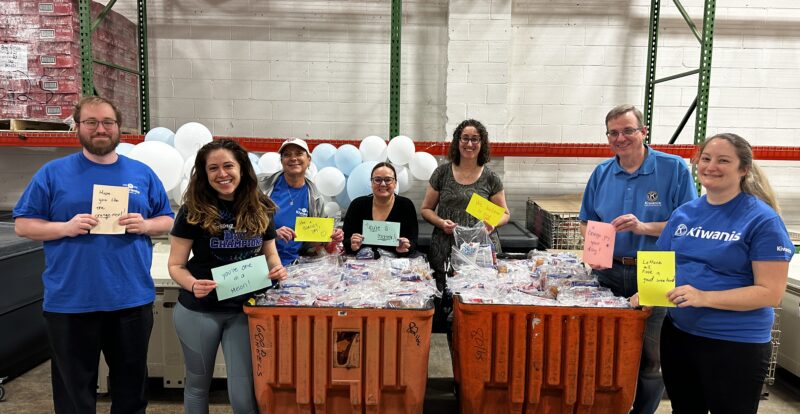
While these challenges can feel overwhelming, there are always opportunities to make a difference. As we reflect on this year’s theme, “More Good Days, Together,” we think of the good days made possible by members working to reduce food insecurity: volunteers coming together to prepare food packs for students, visits from neighbors in My Market, and the continued generosity of community members who donate and support Food for Others every step of the way. Through our programs and our dedicated community, we’re proud to support both the physical and mental well-being of our neighbors and look forward to building a future filled with more good days, together.